
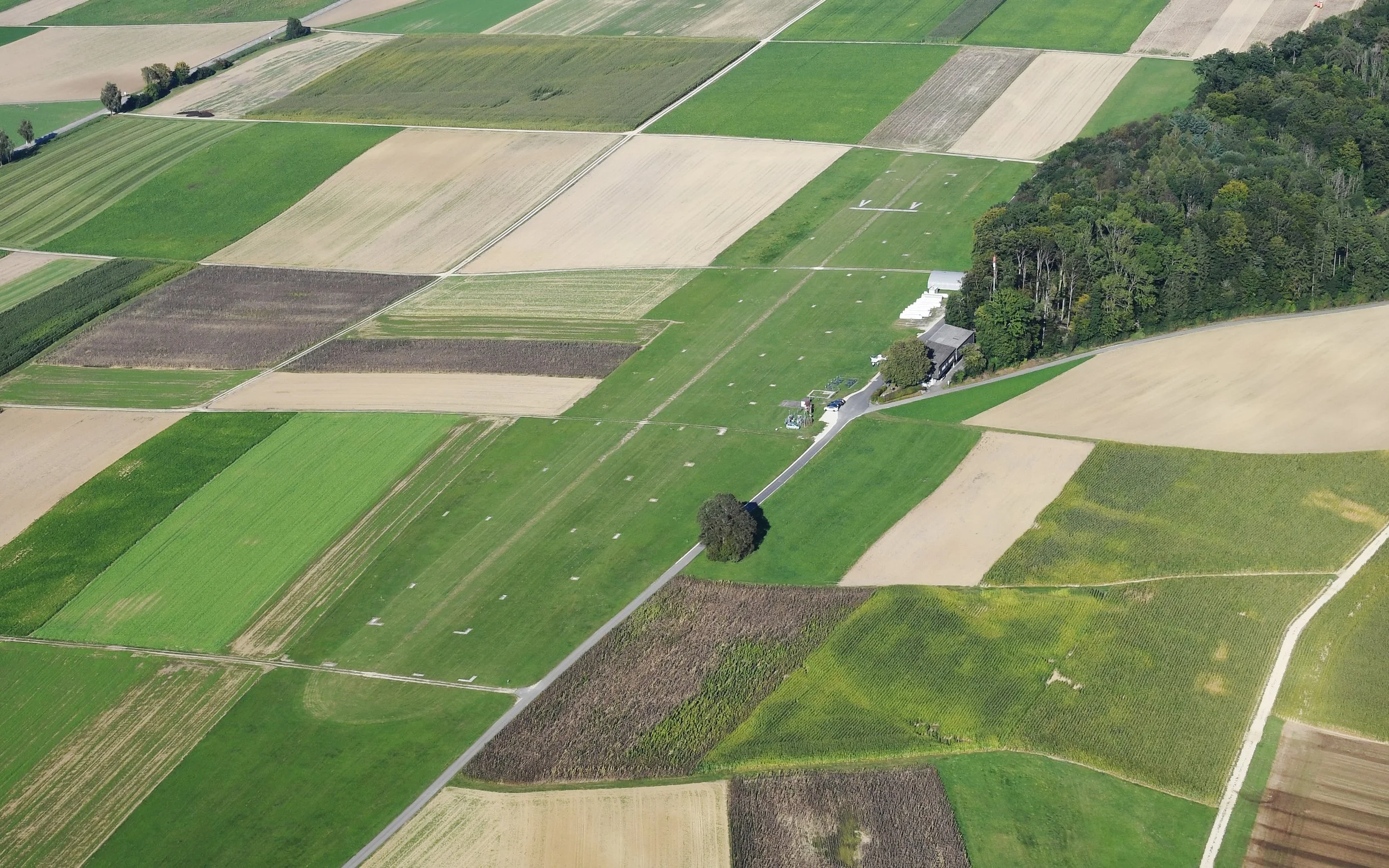
Empowering robotics
for sustainable outcomes.
Please join us in observing our endeavor of making the world sustainable with robotics and robotic artificial intelligence innovation.

Prof Mirko Kovač
Take a minute to write an introduction that is short, sweet, and to the point. If you sell something, use this space to describe it in detail and tell us why we should make a purchase. Tap into your creativity. You’ve got this.
Sustainability Robotics Competence Center

Mission:
The Sustainability Robotics Competence Centre is dedicated to advancing cutting-edge robotic solutions that address critical environmental challenges. By integrating innovative engineering, artificial intelligence, and sustainable design principles, we aim to develop systems that enhance ecological preservation, reduce resource consumption, and mitigate climate impacts. Our mission is to empower industries and communities with tools to transition toward a more sustainable and resilient future, fostering collaboration across disciplines to drive impactful, real-world change.
Vision:
To be a global leader in developing transformative robotic technologies that harmonise human progress with environmental stewardship. We envision a future where robotics and automation seamlessly contribute to sustainability, ensuring a healthier planet for future generations. Through relentless innovation and interdisciplinary collaboration, we strive to inspire a paradigm shift in how robotics is utilised to combat environmental crises and promote sustainable development.

Who are we?
The Sustainability Robotics Competence Centre represents a strategic collaboration between three distinguished institutions committed to advancing sustainable innovation. This joint initiative brings together the Office of Economic Development of Canton Schaffhausen, providing regional expertise and economic development leadership; Empa, Switzerland's federal materials science and technology research institute renowned for its cutting-edge applied research; and EPFL's Laboratory of Sustainability Robotics, a world-class academic research facility at the forefront of sustainable robotic technologies.
Through this unique partnership, we leverage complementary strengths in policy development, applied research, and academic excellence to create a comprehensive ecosystem for sustainable robotics innovation. Our collaborative approach ensures that breakthrough technologies are not only scientifically sound but also economically viable and aligned with regional development objectives, positioning Switzerland as a global hub for sustainability-focused robotic solutions.


Partners


Our work
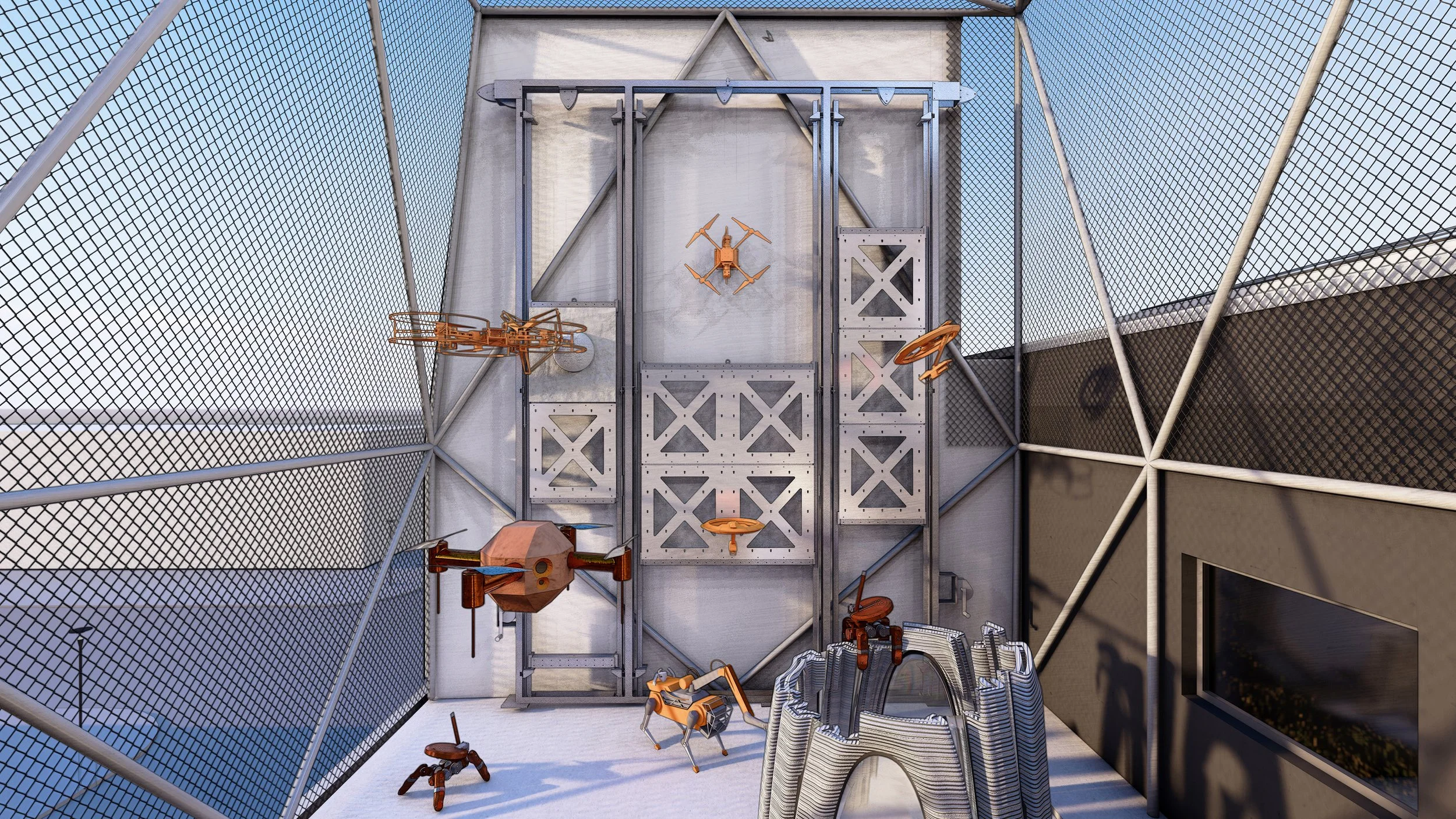
Aerial Additive Manufacturing and Repair
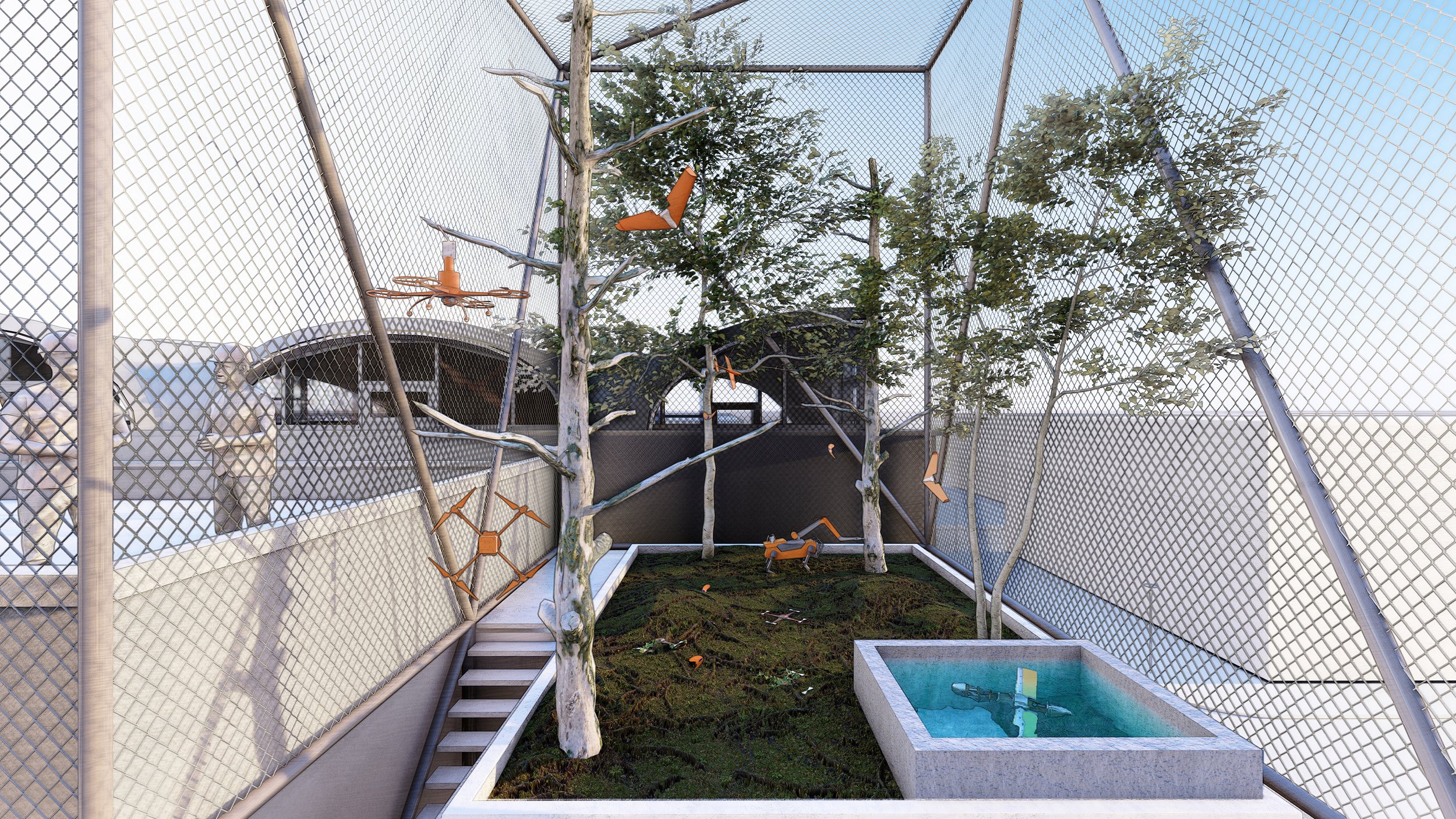
Environmental Sensing
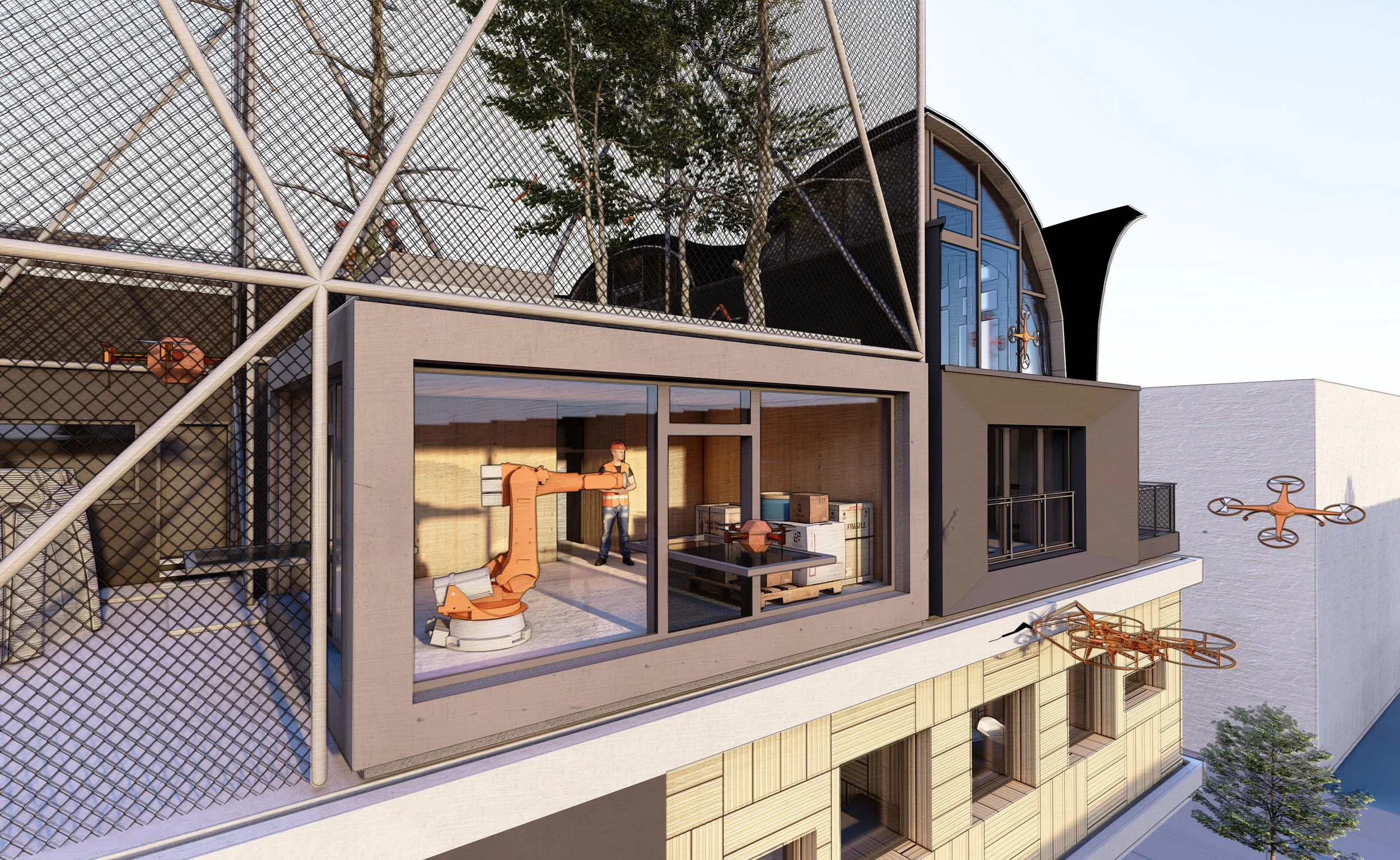
Infrastructure Robotics
Landmark publications
Aerial Additive Manufacturing: with multiple autonomous robots
Zhang, K., Chermprayong, P., Xiao, F. et al. Aerial additive manufacturing with multiple autonomous robots. Nature 609, 709–717. https://doi.org/10.1038/s41586-022-04988-4 (cover article)
2022
Biodegradable sensors are ready to transform autonomous ecological monitoring
Sethi, S.S., Kovac, M., Wiesemüller, F., Miriyev, A., Viellard-Boutry, C., Biodegradable sensors are ready to transform autonomous ecological monitoring Nature Ecology & Evolution 6, pp. 1245–1247 https://doi.org/10.1038/s41559-022-01824-w
2022
Between Sea and Sky: Aerial Aquatic Locomotion in Miniature Robots
Zufferey, R., Armanini, S.F., Siddall, R., Kovac, M., Between Sea and Sky: Aerial Aquatic Locomotion in Miniature Robots Springer, Book Series Biosystems & Biorobotics 29 (267 pages) https://doi.org/10.1007/978-3-030-89575-4
2021
Skills for Physical Artificial Intelligence
Miriyev, A., Kovac, M., Skills for Physical Artificial Intelligence Nature Machine Intelligence 2, pp. 658-660 (cover article)
2020
Follow us!


